


Differences in Acute Stress and Chronic Stress
The main difference between acute stress and chronic stress, is that one of them is short-term and the other is long-term.
Acute stress is short-term stress that can form due to particularly overwhelming events. These symptoms of acute stress form quickly but do not persist for a long period of time.
Symptoms include:
-
Anxiety
-
Irritability
-
Mood swings
-
Poor concentration
-
Aggression
-
Recurrent nightmares
-
Heart palpitations
-
Stomach aches
-
Nausea
Chronic stress is long-term stress that is caused through repeated exposure to situations that lead to "never-ending" stress symptoms.
Symptoms include:
-
Depression
-
Agitation
-
Moodiness
-
Irritability
-
Isolation
-
Difficulty sleeping
-
Headaches
-
Changes in appetite
What is stress?
Stress is our body's reaction to a demand or challenge and there all types of stressors that can cause this response. Stressors can come in all sorts of forms. We have to deal with academic, financial, social, emotional, and physical stressors daily. Now, there are two different types of stress that we can experience in our lives. You can feel acute stress and chronic stress.
Acute stress is the type of stress you would feel when you are behind in work while the deadline is fast approaching. This is a temporary form of stress that most people feel, so don't worry about it too much!
Chronic Stress is a bit of a bigger problem. Chronic stress comes from stressors that are out of our control, losing your job, getting a divorce, or losing a loved one are all chronic stressors. Having to deal with these stressors can wear down a person and can increase the likelihood of developing an acute or serious illness.

What Stress Does to the Body
Stress affects the many different organs of the body in different ways. In this blog post, you will learn the effects stress has on our anatomy.

For the brain, the stress causes problems with moods, emotions, anger, depression, changes in appetite, and headaches. Also it enhances mental health and sleeping issues like anxiety, depression, insomnia, sleep apnea, etc.

For the heart, stress increases the blood pressure and heart rate and raises risk for heart attack. The stress hormones make the heart pump blood faster, relaying the blood to vital organs quicker.

For the skin, stress results in many different skin problems the most common one being acne. Additional skin problems including skin rashes, psoriasis, eczema, or dermatitis.

For the stomach, stress can cause weight fluctuations based on whether stress causes overeating or under-eating. Additionally, people will experience cramps, reflux, and nausea. Stomach aches are common which correlates with potential digestion problems.

For the muscles, stress will cause these joints to be sore and aching. Stress also causes the muscles to tense up and chronic stress can lead to tension-related aches.

For the lungs, rapid breathing occurs when one is in a stressed which causes the muscles that help you breathe to tense up. In result, the person will experience shortness of breath.
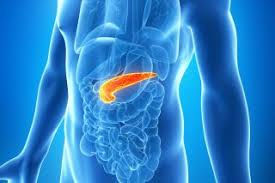
For the pancreas, stress increases the risk of getting type two diabetes due to the stress enhancing the release of extra glucose throughout the bloodstream.

For the overall immune system, stress reduces the body's ability to recover from diseases or illnesses. This leaves the body weak and vulnerable to infection. Experiencing long-term or chronic stress makes the situation worse.
Stress and Disease
The link between stress and disease has only been scientifically accepted in the last few decades. As a result the field of psychoneuroimmunology emerged, this is the study of the effect of the mind on health and disease. Diseases caused by stress can be broken into two categories; nervous-system related diseases and immune-system related diseases.
Nervous-System Related Disorders
Immune-System Related Disorders
Bronchial Asthma
-
An illness where the secretion of bronchial fluids causes swelling in the bronchi (air passage). These constricted airways cause the individual to feel as if they can’t breathe and these attacks can result in hospitalization or death. This disease can be linked to anxiety and in turn can also be treated with relaxation techniques.
Tension Headaches
-
Tension headaches are caused by contractions of muscles in the face and neck. Individuals hold tension as a result of physical or emotional stress and the more they hold this contraction the worse the tension headache will be. Tension headaches have been said to improve with meditation and biofeedback.
Migraine Headaches
-
Unlike tension headaches, migraine headaches are caused by the continued constriction and dilation of blood vessels in the brain. It is believed that migraines are related to the inability to express anger and frustration. Biofeedback and mental imagery are proven to be effective treatments for migraine headaches.
Temporomandibular Joint Dysfunction
-
Often people are unaware that they have this disease because it is caused from grinding or clenching the jaw during sleep. Similar to migraine headaches it has been linked to the inability to express anger and frustration. Biofeedback and mental imagery have also been proven an effective treatment.
Irritable Bowel Syndrome
-
This disease occurs when attacks of abdominal pain happen in repeated stints and has varying symptoms. It has been linked with anxiety and depression because the hypothalamus, which controls appetites, also is linked with emotional regulation. Progressive muscular relaxation and mental imagery have proven effective treatments.
Coronary Heart Disease
-
This disease entails the insufficient delivery of oxygen-rich blood to the heart. This is often a result from a buildup of plaque in the arteries. Coronary heart disease has two links to stress including the elevated blood pressure/ hypertension and the release of cortisol from the adrenal medulla both as a result of a stress response.
Common Cold and Influenza
-
These common viral infections have been strongly linked to stress. When an individual is stressed the effectiveness of the B-lymphocytes decrease which causes the body to become more vulnerable to diseases.
Allergies
-
Allergies occur when the body reacts and produces antibodies for a foreign substance that doesn’t cause a reaction in most people. Allergies are more prevalent in those individuals who are prone to anxiety.
Rheumatoid Arthritis and Lupus
-
Rheumatoid arthritis is a disease of the joints and connective tissues while lupus is an inflammatory disease that affects the skin, brain, blood cells, heart and lungs. These diseases are similar because they occur as a result of the immune system attacking itself, its healthy cells. This disease has been related to stress and in particular the suppression of anger.
Ulcers and Colitis
-
Colitis is the inflammation of the inner lining of the colon while ulcers are sores (holes) that develop in the lining of the stomach. Both of these diseases are strongly correlated with stress as high levels of anxiety have been known to show the symptoms of this disease.
Cancer
-
Cancer has been described as one of the most perplexing diseases. Cancer is caused by the uncontrollable dividing and spreading of cells. There are studies that suggest that cancer is more prevalent among individuals who face a stress response but are unable to to express their emotions.
Money and Time Management Planning to Help Reduce Stress
Time and money are arguably the two biggest stressors of our contemporary society. These two factors dictate many other aspects of our lives so time/money management is important to prevent stressful outcomes.


Time management: “the ability to prioritize, schedule, and execute responsibilities” (Seaward, 2018)
Scheduling Tips and Techniques
-
Boxing: a scheduling technique where the day is divided into 3 to 5 hour chunks of time
-
Time Mapping: Similar to boxing; time mapping breaks the day into 15- to 30- minute segments
-
Scheduling Interruptions and Personal Time: this step is essential to being efficient and realistic with your time
Methods of Prioritization
-
Create goals and provide rewards: by using incentives this can be a great motivating factor to complete tasks.
-
ABC rank-order method: involves assigning letters to different tasks. With A being the highest priority.
-
Pareto principle: a prioritization technique based on satisfaction using the 80/20 ratio.
-
Importance-verses-urgent method: a type of prioritization based on categorizing the tasks into not urgent, not important, important and urgent.
Money Management Techniques
-
Make and Follow a budget: an essential step to ensure that money is being allocated correctly
-
Freeze Credit Cards: If possible freeze all but one. Credit cards often accumulate and can be difficult to pay off
-
Track Spending: writing down all purchases makes an individual aware of their spending habits
Exercise and its Effect on How the Mind and Body Manage Stress
Physical activity or exercising can be beneficial to our body and minds in a number of ways, such as: lowering our stress levels, improving our moods, strengthening our cardiovascular endurance and strength, better sleep quality, mental homeostasis, and among others. There has been multiple studies done to prove that regular exercise has positive effects on decreasing stress levels both at a mental and physical level.
Benefits of Exercise on Mood and the Brain
-
Exercise and physical activity releases the following hormones that regulate mood and decreases stress:
-
Endorphins
-
Serotonin
-
Dopamine
-
Norepinephrine
-
Different Types of Exercise
Aerobic Exercise is any kind of activity that involves cardiovascular conditioning, and rhythmic physical work that requires steady supply of oxygen. This could include walking, jogging, swimming, and cycling
Try this out: Jogging for beginners (20-30 minutes, 2x a week)
-
Stretch before starting any work out!
-
Get your blood pumping by speed walking for a few minutes
-
Then transition into a steady jog that lasts 20-30 seconds
-
Slow down into speed walking again to catch your breath for about 1 minute
-
Repeat this routine until the end of your work out.
Anaerobic Exercise is any kind exercise that requires quick bursts of energy and performed at maximum effort for a short period of time, that doesn't require oxygen as its energy source.
i.e. Heavy weight lifting, High-Intensity Interval Training (HIIT), jump rope, etc.
Try this at home: Jump Rope (15-25 mins, 3-5 times a week)
-
Stretch!
-
Make sure the jump rope is adjusted to your height
-
Hold the handles at least a foot away from your body
-
Swing the rope over your head and under your feet in place to get the hang of it.
-
Once you feel comfortable, move on to hopping up every time the rope comes down to your feet.
-
After a few more practice swings, start jumping rhythmically as the rope swings over your head and under your feet.
Flexibility Training is a form of exercise that works to stretch and lengthen the muscles as well as, improving range of motion. Examples of this kind of exercise includes: yoga, Tai Chi, and isolated-muscle stretching.
Try this at home: Yoga poses "Cow Pose" (30 minutes, 2-3 times a week)
-
Start on your hands and knees in what is called a "tabletop" position, with your hands shoulder-width apart and your knees directly under your hips.
-
As you inhale, bring your chest up towards the ceiling and your belly to the ground
-
Then as you exhale, bring your body back to neutral position in the "tabletop" pose.
-
Repeat this 10 to 20 times
Physiological Effects of Exercise:
-
Cardiovascular exercise in particular
-
Decreased resting heart rate, resting blood pressure, muscle tension, cholesterol and triglycerides
-
Better quality sleep
-
Increased resistance to colds
Physical Effects of Exercise:
-
Allows the body to relax
-
Loosens your muscles
-
Strengthens your heart
-
Improves circulation
-
Increases heart rate allowing you to pump more blood
-
Lowers blood pressure
-
Weight loss
-
Reduces inflammation
-
Improve lung health
-
Improve cholesterol levels (reducing risk for coronary heart diseases)

Nutrition and Stress: A Two-Way Relationship
Nutrition affects stress in many different aspects. Click on the PDF button to view a concept map and learn more about the relationship between the two!


